Can You Install a New Roof Over Old Shingles? A Guide for McDonough Homeowners
If you're replacing your roof, you may wonder if installing new shingles over the old ones can save money. Here's what McDonough homeowners should know before deciding.
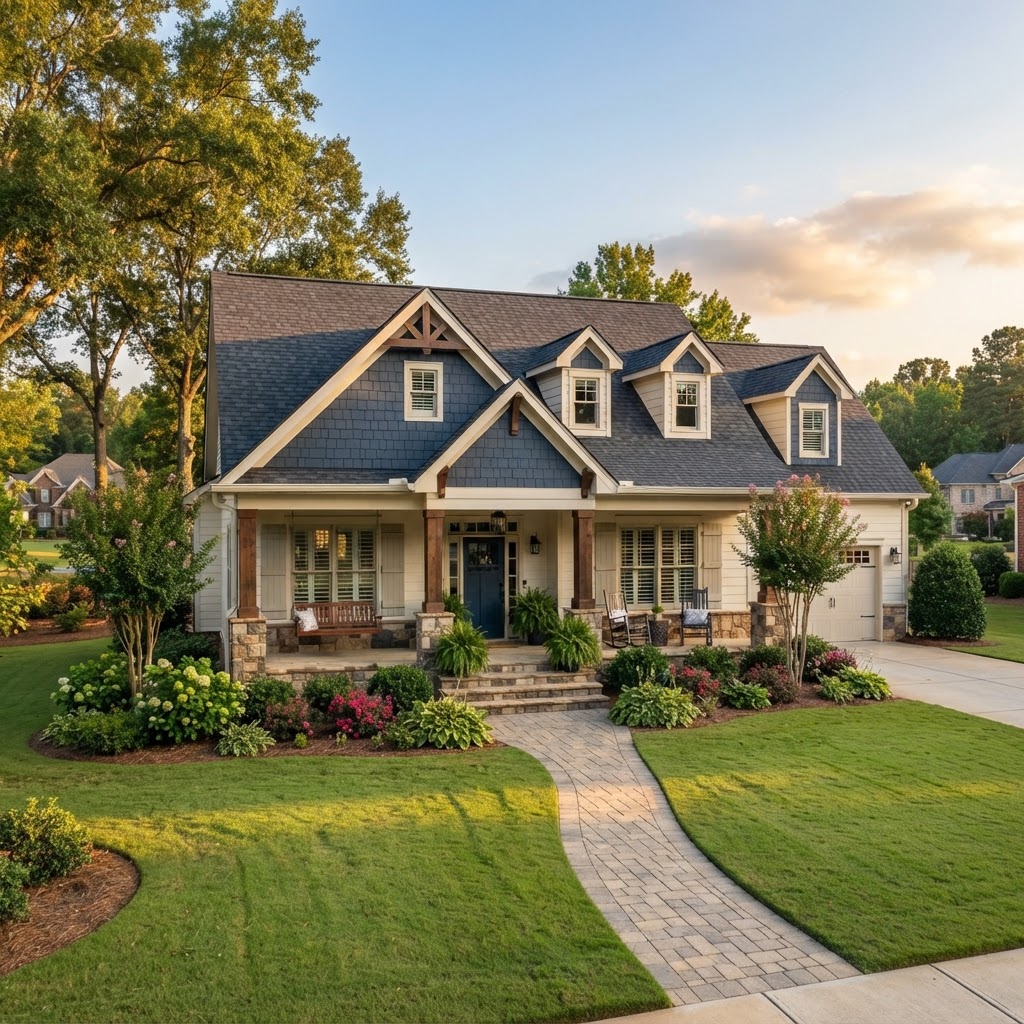
If you're replacing your roof, you may have heard someone suggest putting the new shingles directly over the old ones to save money.
While that may sound like a good idea, it's not always the best solution. In some situations, installing a new roof over existing shingles is allowed. In others, it can create problems that cost more in the long run.
Here's what homeowners in McDonough should know before making that decision.
What Does "Roof Overlay" Mean?
A roof overlay is exactly what it sounds like. Instead of removing the existing shingles, a contractor installs a new layer of shingles directly over the old roof.
This saves the time and labor of tearing off the existing roofing material. While it can reduce upfront costs, there are important trade-offs to consider.
Is It Legal in Georgia?
In many cases, yes. Local building codes often allow one additional layer of asphalt shingles over an existing layer, provided the roof structure is in good condition.
However, code requirements can vary, and not every roof qualifies for an overlay. A professional inspection is the best way to determine what's possible.
Advantages of Installing Over Existing Shingles
An overlay may offer a few benefits:
- Lower Initial Cost — Because there's no tear-off, labor costs are usually lower.
- Faster Installation — Skipping the tear-off can reduce the overall project timeline.
Learn more: How Long Does Roof Replacement Take in McDonough?
Why Most Roofing Professionals Recommend a Full Tear-Off
While overlays may work in certain situations, a complete tear-off is often the better long-term investment. Here's why.
Hidden Damage Stays Hidden
When old shingles remain in place, it's impossible to fully inspect the roof decking underneath. If there is:
- Rot
- Moisture damage
- Soft spots
- Mold
Those issues remain buried beneath the new roof. A tear-off allows these problems to be repaired before the new roofing system is installed.
Your New Roof May Not Last as Long
Installing shingles over an uneven surface can affect:
- Appearance
- Performance
- Lifespan
A flat, properly prepared roof deck provides the best foundation for a new roof.
More Weight on Your Home
A second layer of shingles adds thousands of pounds to the roof structure. Most homes can support one additional layer, but unnecessary weight is never ideal.
Learn more: Architectural Shingles vs. 3-Tab Shingles: Which Is Better?
When an Overlay Might Make Sense
An overlay could be considered if:
- The existing shingles are lying flat
- The roof has only one layer
- The decking is known to be in good condition
- There are no signs of leaks or moisture problems
Even then, it's worth discussing both options with your contractor before making a decision.
Learn more: Should You Repair or Replace Your Roof? A McDonough Homeowner's Guide
When a Tear-Off Is the Better Choice
A complete tear-off is usually recommended when:
- The roof has multiple leaks
- Shingles are badly curled or damaged
- Storm damage is extensive
- There are soft spots in the roof
- The decking needs repairs
- You're investing in your "forever home"
While the upfront cost is higher, it gives you a fresh start and allows hidden problems to be corrected.
Will Insurance Pay for a Tear-Off?
If your roof replacement is being covered by insurance due to storm damage, your policy may include the cost of removing the old roofing materials. Coverage depends on your policy and the cause of the damage.
Learn more: Does Homeowners Insurance Cover Roof Leaks in Georgia?
How Do You Know Which Option Is Right?
Every roof is different. The age of your roof, the condition of the decking, previous repairs, and local building code requirements all play a role.
That's why a professional inspection is so important. A good roofing contractor will explain the pros and cons of each option instead of recommending the same solution for every home.
Schedule a Free Roof Inspection
If you're considering a roof replacement, we'll inspect your roof and help you determine whether a complete tear-off or another solution makes the most sense.
You'll receive honest recommendations, detailed photos, and a clear estimate without high-pressure sales tactics.
Schedule Your Free Roof Inspection Today
Proudly Serving McDonough & Metro Atlanta
Stress Free Remodeling Co. proudly serves homeowners throughout:
- McDonough
- Stockbridge
- Locust Grove
- Hampton
- Jackson
- Griffin
- Henry County
- Metro Atlanta
Whether you need a complete roof replacement or simply want expert advice, we're here to help you make an informed decision.
Have Questions About Your Roof?
Schedule a free, no-obligation inspection and get honest answers about the condition of your roof.